SIXTEENTH SUNDAY AFTER PENTECOST
Prayer of the Day: Gracious God, throughout the ages you transform sickness into health and death into life. Open us to the power of your presence and make us a people ready to proclaim your promises to the whole world, through Jesus Christ, our healer and Lord.
“For waters shall break forth in the wilderness,
and streams in the desert;
the burning sand shall become a pool,
and the thirsty ground springs of water;
the haunt of jackals shall become a swamp,
the grass shall become reeds and rushes.” Isaiah 35:7.

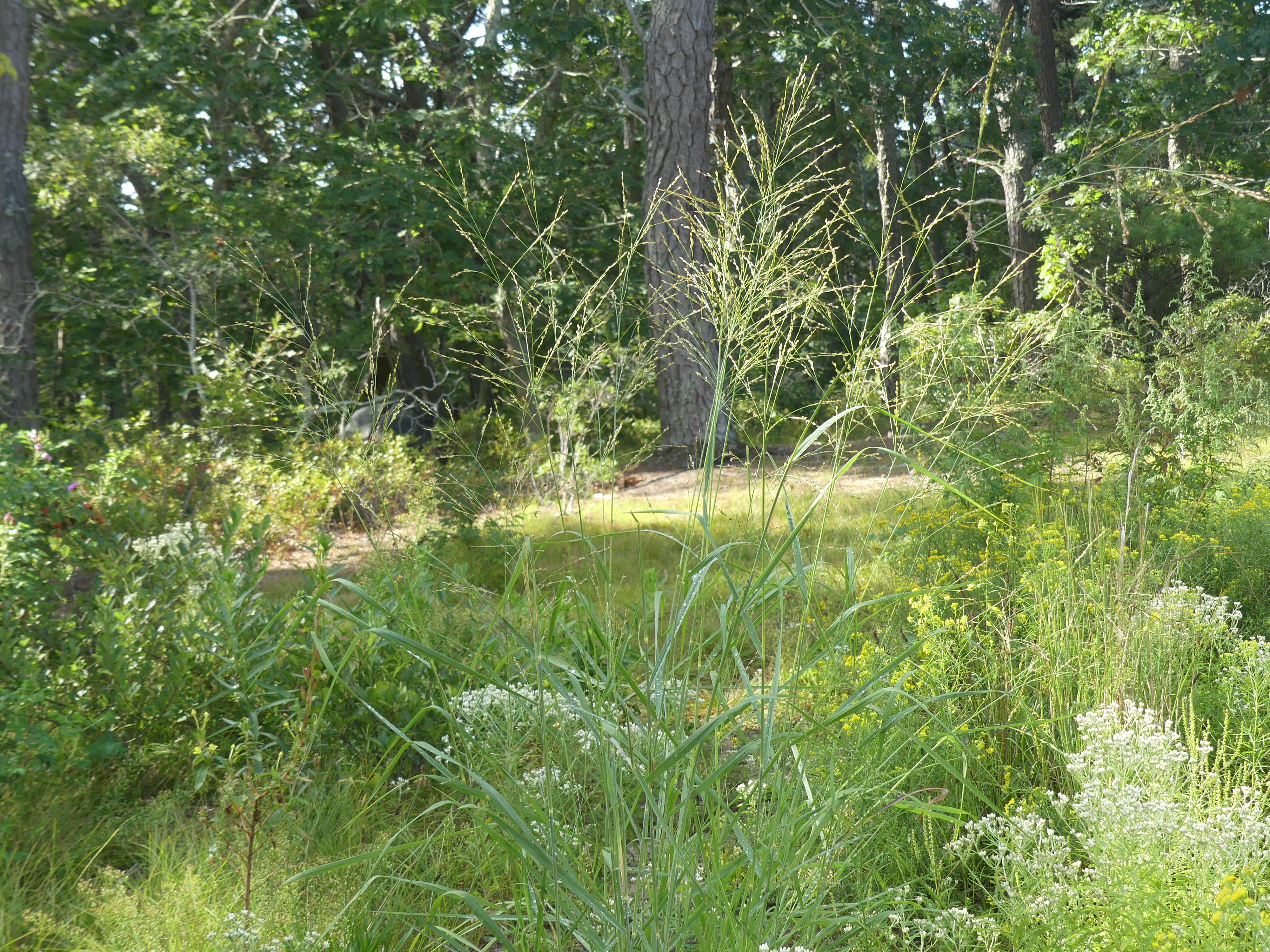
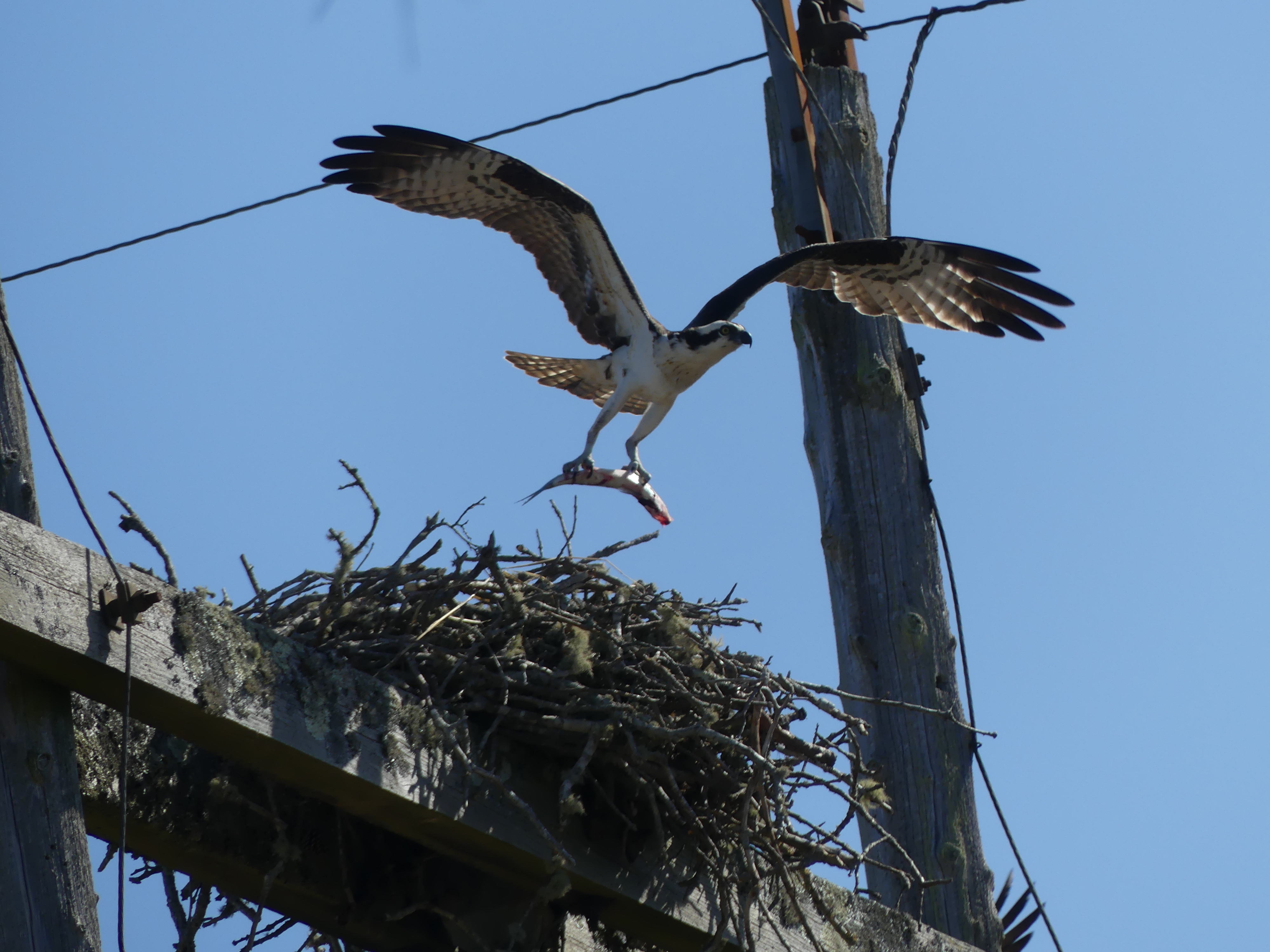
I now live on the edge of a right-of-way through the National Seashore held by our electric power company, Eversource. The way stretches for several miles across Cape Cod to accommodate the company’s power lines. In addition to this homocentric utilitarian purpose, the right-of-way incidentally hosts a unique ecosystem. Osprey nest on the many polls towering over the trees from which they can view the three nearby ponds. They can frequently be seen flying over the house with a fish in their talons. Reptiles, black racer snakes and eastern box turtles sun themselves on the face of this miles long gash in the forest. Wild flowers, mosses and bushes that would not otherwise grow in the constant shade of full grown trees thrive on this narrow strip of open space. Walking to the edge of my property in the spring and summer months, passing through the tangle of pitch pines and white oaks onto the right-of-way is like steping into an alpine meadow.
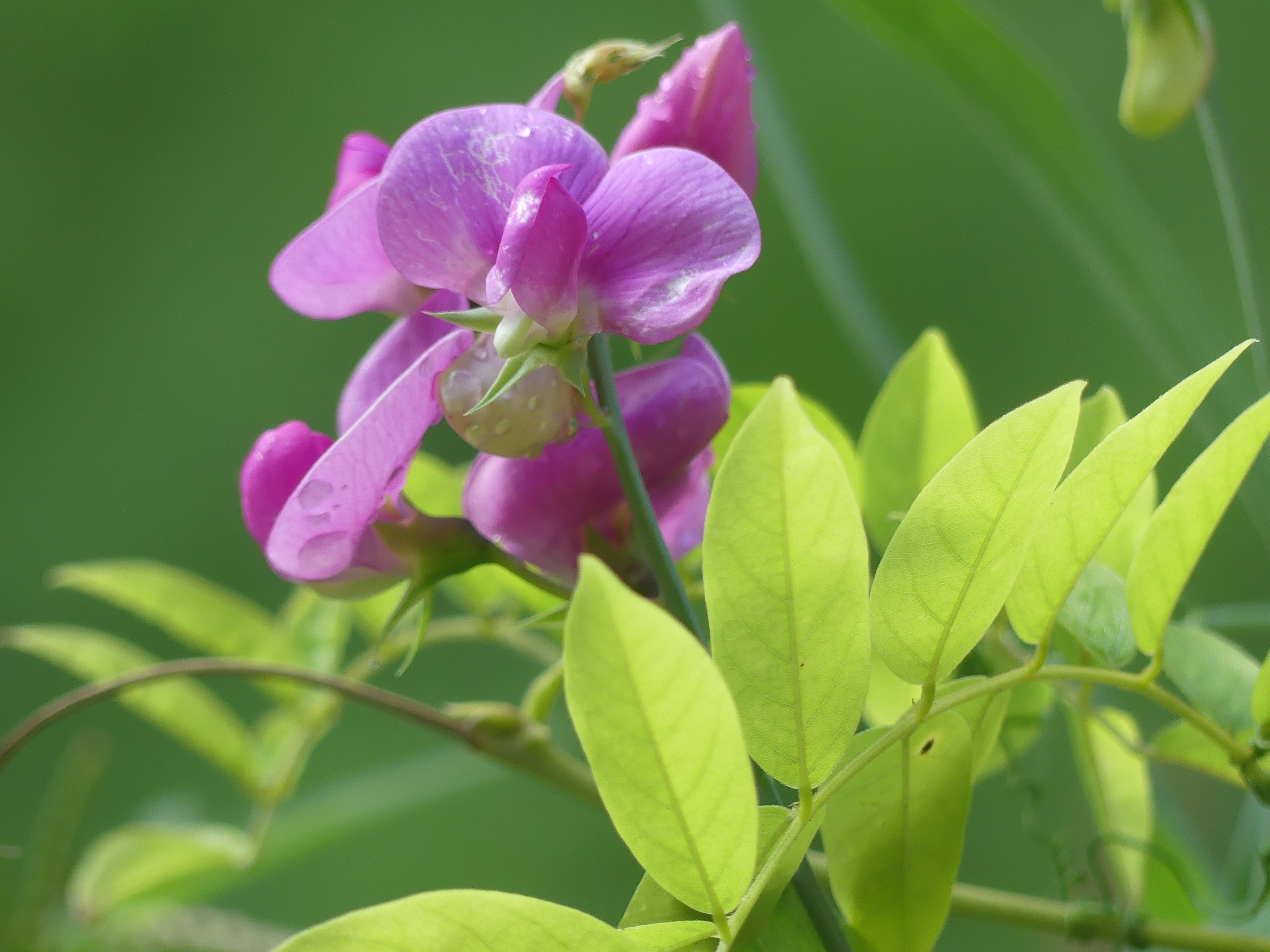
Of course, the forest is not so easily put to flight. The pitch pines and oaks re-seed themselves in the open areas where they take root and begin growing again. Within a short time their height reaches my head. That means, of course, that Eversource must make a return every three years or so to clear the land lest the trees grow to the point where they obstruct its workers’ access to the power lines. For the greater (human)good, the right-of-way community of living things must be ploughed under and reduced to a barren waste. The first time I witnessed this violent incursion, I was convinced this remarkable, biodiverse meadow was gone forever. But before the season had ended, the flowers, plants and shrubs were already beginning to make a comeback. The following spring saw an explosion of life where a year past there had been only broken sod. Today the pines and the oak are back-as soon will be Eversource, I have no doubt.
My son, the evolutionary biologist, sees in this remarkable tenacity evidence of life’s dogged determination to adapt to the most adverse circumstances. It is surely that. But I choose to see in it also, as does the prophet Isaiah, a sign of God’s faithfulness to creation.
“As long as the earth endures,
seedtime and harvest, cold and heat,
summer and winter, day and night,
shall not cease.” Genesis 8:22.
However many scars we human creatures inflict upon the earth, God continues to work the miracle of healing. We may yet succeed in making this planet or many parts of it uninhabitable for our selves and future generations. God may not intervene to save us from the consequences or our own selfishness, stupidity and blindness. But those consequences will not come from God’s hand. God, for God’s part, will be as persistent, indeed, more persistent in reviving, healing and restoring God’s good earth as we are headstrong in our lust to exploit it. Will God’s tender, healing touch prevail over the violent and destructive work of our hands? The prophet Isaiah seems to think so.

The Christion tradition of my childhood had little interest in creation as such. The earth, its geographic features, animals and plants were little more than the stage for God’s redemption of humanity. Whenever God finishes with all God intends to do with the human race, the world ends. The redeemed will be welcomed into eternal life, the wicked cast into outer darkness. The earth? The sun? The other planets? The Stars? The galaxies? Presumably they will simply be discarded like a candy wrapper. That always seemed wrong to me. A universe thirteen billion years old and ninety-three billion light years in diameter built solely for a single species on a planet infinitesimal by comparison with the whole and whose existence is less than a nanosecond in this great expanse of time? It seems a terrible waste of time and material.
I have come to believe, however, that the biblical view of creation is much larger than the Sunday School version I learned. Human beings show up only at the end of creation. Their commission to rule over the earth in the first chapter of Genesis must be interpreted through the lens of the second chapter where the human creature is charged with tilling and keeping the garden. As offensive as it may be to our homocentric pride, the earth was not made for human beings. Human beings were created to care for God’s good earth. The earth’s problems arise from humanity’s refusal to accept its created limits and its desire to exploit rather than care for God’s garden. The ensuing violence that filled God’s good earth was so powerful and pervasive that God was tempted to make an end of humanity altogether. The flood narrative makes clear God’s rejection of this solution to human violence. Instead, God calls Abram and his family to become the blessing humanity was intended to be.
What climate scientists tell us today about the precarious state of the earth’s oceans, lands and ecosystems echoes what the Hebrew prophets have been trying to tell us for centuries. Our sinful conduct has severe consequences for the environment. The evil we do to one another has a profound impact on the ecosystems of which we are all part. The Prophet Isaiah warns us that
“[t]he earth staggers like a drunkard,
it sways like a hut;
its transgression lies heavy upon it,
and it falls, and will not rise again. Isaiah 24:20.
God hates nothing that God has made and so will not destroy the human race. But God’s human creatures might very well succeed in doing exactly what God has vowed not to do. We may well succeed in making this planet, or substantial parts of it, uninhabitable for our children. But I do not need to be convinced that the end of the world is imminent to be deeply saddened by what we are doing to it. It is enough for me to know that my great grandchildren may never see an elephant or gorrilla except in picture books, that they might never know a wilderness area big enough for them to get lost in, that they might never witness the return of monarch butterflies to the Cape in midsummer. If such is the world we bequeath to our children’s children, there is good reason for mourning.
But while the prophet leads us to mourn for ourselves and our planet, that is not where we are left. As our lesson illustrates, Isaiah foresees the day when “waters shall break forth in the wilderness, and streams in the desert.” His hope and expectation is that the world will be healed. Clean water will cleanse the parched ground, rushes and reeds will grow where once only rocks and sand could be found. I have seen enough evidence of that on the Eversource right-of-way to be convinced that God never gives up hope for creation. If God refuses to give up on this planet, how can we?
Though we humans are surely not the “be all and the end all” we imagine ourselves to be, Saint Paul nevertheless makes the case that creation’s redemption is tied up with that of humanity. “The creation,” Paul tells us, “waits with eager longing for the revealing of the children of God; for the creation was subjected to futility, not of its own will but by the will of the one who subjected it, in hope that the creation itself will be set free from its bondage to decay and will obtain the freedom of the glory of the children of God.” Romans 8:19-21. Once freed from its lust for dominance, its addiction to privilege, its captivity to the cycles of vengeance and violence, its allegiance to the false gods of nation, race, blood and soil, humanity will finally be in a position to recognize the earth as God’s sacred possession and accept with joy, gratitude and faithful obedience its role as the earth’s caretaker. Then creation, or the piece of it for which we are responsible, will be free from bondage to the savagery of our consumeristic greed, our exploitation of its land, waters and air and our destructive wars. When humanity is set free from the power of sin, creation will be set free from exploitation.
In the miracle of the Incarnation God went all in, not just for humanity, but for all creation. In Jesus’ Resurrection God made clear that God will not be deterred from God’s redemptive purpose by the worst evil of which we are capable. God refuses to give up hope for this world God has birthed. That is the basis of my hope-along with the tell tail signs of that redemption in places like the Eversource right-of-way.
Here is a poem by Marge Piercy celebrating spring time vegetation with an exuberance like Isaiah’s. Hope springs eternal because it springs from the One who is eternal.
More Than Enough
The first lily of June opens its red mouth.
All over the sand road where we walk
multiflora rose climbs trees cascading
white or pink blossoms, simple, intense
the scene drifting like colored mist.
The arrowhead is spreading its creamy
clumps of flower and the blackberries
are blooming in the thickets. Season of
joy for the bee. The green will never
again be so green, so purely and lushly
new, grass lifting its wheaty seedheads
into the wind. Rich fresh wine
of June, we stagger into you smeared
with pollen, overcome as the turtle
laying her eggs in roadside sand.
Source: Colors Passing Through Us (c. Marge Piercy; pub. Alfred A. Knopf, 2003). Marge Piercy (b. 1936) is an American progressive activist, feminist and writer. She was born in Detroit, Michigan. While her father was not religious, Piercy was raised Jewish by her mother and her Orthodox Jewish maternal grandmother. Piercy was a poor student in early childhood. But when she was bed ridden with German measles and rheumatic fever, she developed a love of reading-which was about all she was able to do. After graduation from high school, Piercy became the first in her family to attend college, receiving a B.A. from the University of Michigan. After graduating, Piercy and her first husband went to France, but soon after returned to the United States. Living in Chicago, Piercy supported herself by working various part-time jobs. During this time, Piercy realized she wanted to write fiction that focused on politics, feminism, and working-class people. She became involved in the organization Students for a Democratic Society. Piercy’s first book of poetry was published in 1968 and her first novel was accepted for publication that same year. You can read more about Marge Piercy and sample more of her poetry at the Poetry Foundation website.
 Peter's Outer Cape Portico